

Stricter Wildfire Regulations
In 2026, outdoor access across fire prone regions is getting more restrictive and for good reason. With wildfire seasons growing hotter, longer, and more erratic, officials are expanding trail closures during high risk months. Think late summer blackout periods in popular ranges like the Sierra Nevada or parts of southern Utah. If it’s hot, dry, and windy, don’t expect business as usual.
Several western states are also implementing conditional use permits. These aren’t just paperwork they’re tied to real time fire weather alerts. Want to hike that backcountry trail or set up camp above the tree line? You may need approval that shifts based on fire risk models by the day. It’s adaptive policy designed to move with the threat level.
It might sound like red tape, but it’s about reducing accidental ignitions and keeping both you and the ecosystem intact. Less traffic during peak risk equals fewer points of failure. Hikers benefit from clearer trail conditions and more stable access in the long run.
If you’re planning anything more than a casual stroll this summer, take five minutes to review the wildfire preparedness guide. The more you know, the more trails stay open for everyone.
Revised National Park Entry Policies
As environmental considerations tighten, 2026 will see notable shifts in how visitors access national parks across the country. These changes aim to protect fragile ecosystems and improve visitor safety but bring a new layer of planning for outdoor enthusiasts.
Dynamic Entrance Caps
National parks will implement dynamic visitor caps based on:
Air quality indexes
Ecological stress indicators (e.g., trail erosion, animal migration disruptions)
This means capacities may fluctuate daily or seasonally, directly impacting how many people can enter popular parks especially in vulnerable regions.
Key Impact: Visitors will need to check daily forecasts and access limits before planning trips. Spontaneous entry may no longer be feasible in high traffic areas.
Wider Use of Permits and Reservations
What used to be a tool for managing peak seasons is fast becoming standard procedure.
More parks are moving to pre booked entry systems, even for off peak visits
Timed entry permits and group size restrictions are expanding
Last minute access is becoming harder, especially in overcrowded destinations like Yosemite, Zion, and Rocky Mountain National Park
Planning Tip: Book well in advance, and keep a list of less trafficked alternatives if your top choice fills up.
Impact on Travelers and Local Tourism
While these policies support long term conservation, they present short term challenges:
Reduced flexibility for spontaneous travelers and backpackers
Pressure on local tourism businesses that rely on casual foot traffic
Increased demand for reservation support apps and planning tools
Despite initial hurdles, these changes promote sustainability and reduce environmental strain. For travelers, the key is to embrace longer planning horizons and shift toward off peak adventures.
By adapting to these new systems, outdoor enthusiasts can still experience the beauty of national parks just with a bit more forethought.
Protected Land Reclassifications
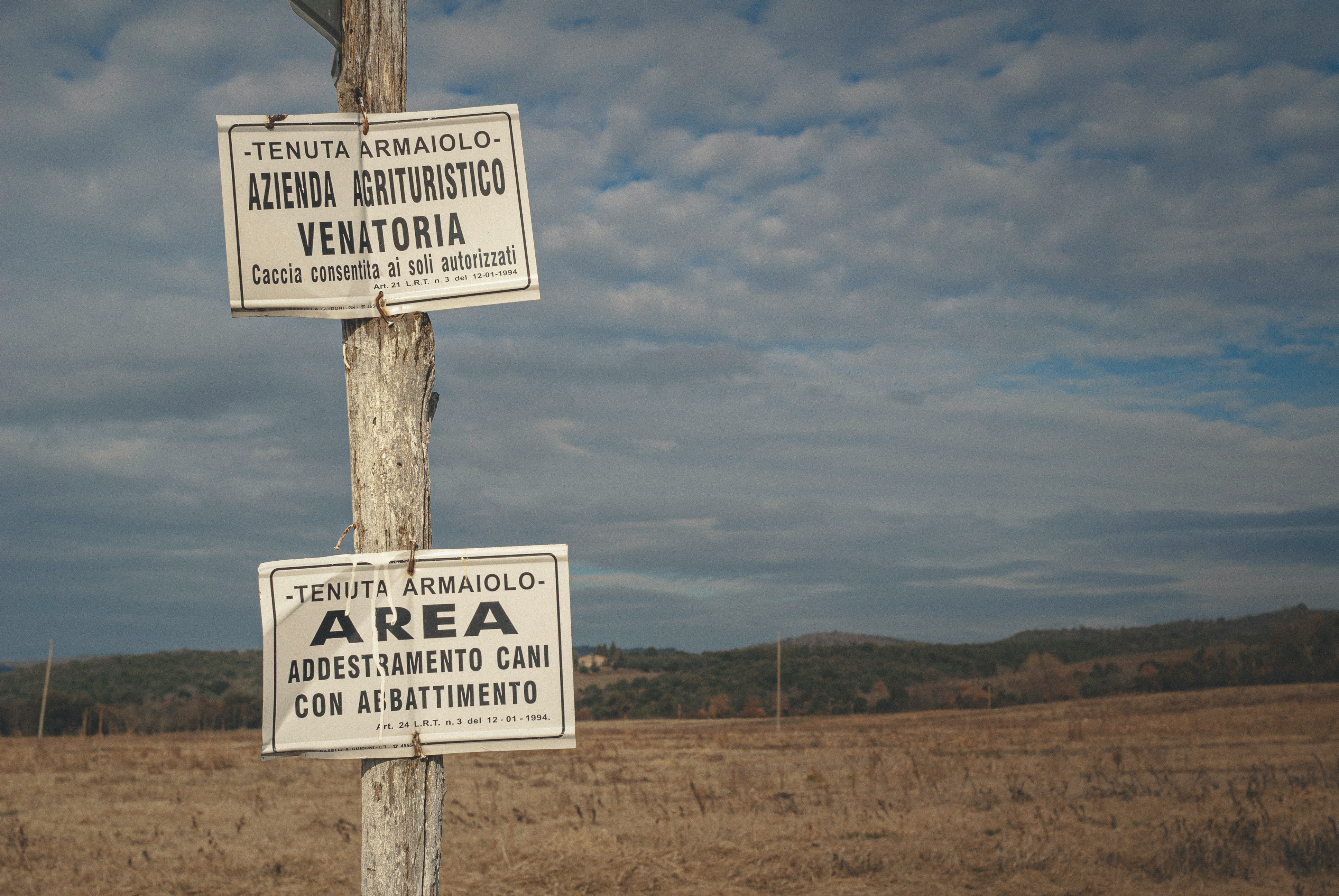
In 2026, more federal land is being brought under conservation status. That means thousands of additional acres are now off limits for development and tightly managed for ecological preservation. While that’s a win for biodiversity, it’s not a blanket ban on outdoor access far from it. Hiking remains largely permitted, especially on established trails, but camping rules are tightening. Dispersed camping, in particular, is facing heavier scrutiny due to its footprint.
The bigger change? Expanded buffer zones around sensitive habitats. These are no go zones meant to protect wildlife corridors, nesting areas, and fragile plant ecosystems. Trailheads are being rerouted. Some high traffic zones are being converted into day use areas only, especially where erosion and human waste have become issues.
Bottom line: Outdoor access isn’t gone, but it’s getting more structured. Vloggers and adventurers who stay flexible and respect the evolving boundaries will be the ones still getting the shot without crossing the line.
New Water Resource Access Rules
Water isn’t being taken for granted anymore especially in the West. In 2026, expect stricter access to lakes and reservoirs in states hit hardest by recurring drought. These aren’t symbolic policies. Local governments are implementing scheduled access days, capping the number of daily visitors, and rolling out permit systems for high use areas. You’ll still get your paddle or fishing trip in, but you may need to plan it weeks out.
Boat launch restrictions are also tightening. Many launch sites now require proof of advanced filtration for ballast and bilge systems to hold invasive species and algae in check. The days of casually towing your boat and dropping it in the water on a whim are gone. If your gear doesn’t meet the checklist, you’re not launching.
These changes are part of larger state level water conservation strategies aimed at balancing recreation with sustainability. Officials are recalibrating access policies to reflect long term drought projections, not short term weather patterns. For outdoor users, that means fewer spur of the moment lake days but also the chance to be part of a more responsible, water conscious future.
Tech Backed Monitoring of Outdoor Traffic
In 2026, major parks aren’t just guarding the gates they’re watching from above. Satellite imaging and drone surveillance have become standard tools in public land management, monitoring everything from trail erosion to foot traffic in real time. The goal? Keep the wild spaces from being trampled by well meaning crowds.
Real time visitor counts help rangers make smarter calls. When a trailhead tops capacity, alerts go out. Parking areas, campgrounds, and even peak times are now subject to data backed decision making. For the average visitor, this means fewer bottlenecks and a better shot at solitude.
Of course, there are tradeoffs. The idea of being watched even in nature makes some uneasy. But context matters. These aerial tools aren’t chasing individuals; they’re tracking patterns. And with ecosystems facing increasing strain, precision matters. Surveillance offers a way to preserve access by managing impact.
Done right, this tech isn’t about restriction it’s about sustaining freedom. A forest can’t stay open if it’s overrun. Remote monitoring gives us a shot at balance.
What Outdoor Enthusiasts Can Do
The rules have changed so should your approach. If you want to keep hitting the trails without hitting walls, it’s time to get disciplined. Start by checking updated access maps and trail conditions before you leave. Don’t assume your favorite route is open year round anymore closures can now shift weekly based on fire danger or weather extremes.
Smart travel is low impact travel. Go during off peak windows when you can. Early mornings, midweek, or shoulder seasons mean fewer crowds and less stress on fragile ecosystems. Leave no trace isn’t optional now it’s expected. Know how to pack light, take out what you bring in, and keep noise and waste to a minimum.
And don’t wing it with fire season looming longer each year. Brush up on fire restrictions, camping bans, and evacuation procedures. Not sure where to start? This wildfire preparedness guide covers the essentials. The freedom of the outdoors still exists it just comes with more responsibility. Plan smart, stay flexible, and move through nature like it actually matters.
These 2026 environmental policies aren’t about shutting down adventure they’re about keeping the wilderness wild and accessible long term. Know the rules, respect the land, and explore responsibly.