

What You Think Hiking Is, vs. What It Actually Feels Like
Before your first hike, your imagination might be painting a picture of serene landscapes, easy walking paths, and a quick burst of Instagram worthy views. While hiking can be peaceful and rewarding, it’s also often challenging in ways first timers don’t expect.
Common Misconceptions First Timers Have
Many new hikers start with assumptions that don’t always match the reality of the trail:
“It’s just walking in nature.” In truth, hiking involves navigating uneven terrain, inclines, and sometimes unstable footing.
“The weather will stay like the forecast said.” Mountain weather can shift unexpectedly clear skies can turn to wind and light rain fast.
“I’m in decent shape this will be easy.” You might be surprised by the unique strain hiking puts on knees, hips, feet, and your cardio system.
The Reality of the Outdoors
Real trails aren’t sidewalks. Here’s what to expect:
Terrain: Trails may feel sandy, rocky, muddy, or root covered. Your balance and lower body muscles will be working more than you expect.
Weather: Even mild looking trails can become tiring when it’s humid, damp, or overly sunny. Wind chills and drop in temps can happen quickly.
Effort: A “short” 3 mile hike can take a couple of hours depending on elevation gain and conditions. You’ll need to pace yourself and hydrate frequently.
Why Discomfort Isn’t a Dealbreaker
Feeling tired, sweaty, or even a little lost isn’t a failure it’s part of the process. Learning to accept physical exertion and mental pushback is where hiking becomes deeply rewarding.
Your body adjusts with repeated experience
Mental clarity often follows moments of struggle
That first tough trail? It teaches you more than any gear list ever could
Lean into the discomfort. It means you’re doing something new, something real. And that’s exactly the point.
Gear Basics You Should Know Before Hitting the Trail
Before you head into the great outdoors, having the right gear will make the difference between a tough first hike and an enjoyable one. It’s not just about looking the part it’s about being prepared.
Why Your Everyday Sneakers Won’t Cut It
Regular sneakers may feel fine in the city, but they quickly fall short on uneven trails. They often lack the grip, support, and durability you need for outdoor terrain.
Key reasons to upgrade your footwear:
Traction: Hiking shoes and boots are designed to grip dirt, rocks, and mud.
Support: They protect your ankles and arches on uneven ground.
Durability: Trail footwear resists wear from elements like water, rough surfaces, and impact.
If it’s your first time, lightweight trail runners or entry level hiking boots are worth the investment.
Choose the Right Backpack, Hydration System, and Layers
You don’t need a full expedition kit, but you do need items that help you stay comfortable and safe.
Essentials to bring:
Backpack with chest and hip straps to distribute weight
Hydration: A water bottle is fine, but hydration bladders make sipping on the move easier
Clothing Layers: Weather can change fast. Dress in breathable, moisture wicking layers (base, insulation, and outer shell)
Tip: Avoid cotton it holds moisture and can make you cold if temperatures drop.
Minimalist ≠ Unprepared
Going light is smart, especially for a beginner friendly day hike. But don’t confuse “minimalist” with “under equipped.” Bring what’s needed for comfort, safety, and small emergencies.
Keep your kit simple and essential:
Water and snacks
A map or offline trail app
Small first aid kit
Sun and bug protection
Think of minimalist hiking as carrying only what you need but making sure each item counts.
What’s Different About Nature (Hint: Almost Everything)
Hiking isn’t a gym session with trees. Nature doesn’t run on your schedule, and it doesn’t care what weather app you checked. You might start your hike in sunshine and wrap it up in a cold drizzle. Or get swarmed by gnats just as you find your rhythm. Temperature drops, sudden rain, surprise mud these aren’t bugs in the system. They’re part of the deal.
Trail markers become your quiet allies out there. Forget the GPS when signal cuts out those splashes of paint or signs nailed to trees are what keep you from turning a lovely day into an unplanned overnight. The system’s simple, but ignoring it is a rookie mistake no one brags about later.
Then there’s the mental side: raw silence, big sky, and nothing familiar. For some first timers, that stillness is unsettling. You realize how loud life usually is. But give it time what starts out unnerving can become spacious. That mental noise you carry in falls away the longer you walk. Discomfort might show up, but clarity usually follows if you keep going.
Nature rewires your senses a bit. Pay attention. It teaches fast.
Physical Surprises and How to Handle Them
Let’s get this out of the way your body is going to feel it. Not just your legs. We’re talking ankles, hips, lower back, even your shoulders if your pack isn’t right. Muscles you’ve ignored for years will suddenly introduce themselves. That’s normal. It’s part of adjusting to real world movement uphill, downhill, uneven.
The key word: pace. Go too fast, and you’ll burn out midway. Most beginners think they can power through, but hiking isn’t a sprint. Set a rhythm that feels almost too slow. Save the energy. You’ll need it.
Hydration is your secret weapon. Bring more water than you think you’ll need. Sip often not just when you’re hungry or tired. Combine that with steady breathing (in through the nose, out through the mouth), and you’ll reduce the chance of dizzy spells and premature gas outs.
First hikes are humbling. That’s the point. Listen to your body, keep moving, and don’t confuse soreness with failure. It means you’re doing things right.
Basic Etiquette That Makes You a Trail Asset
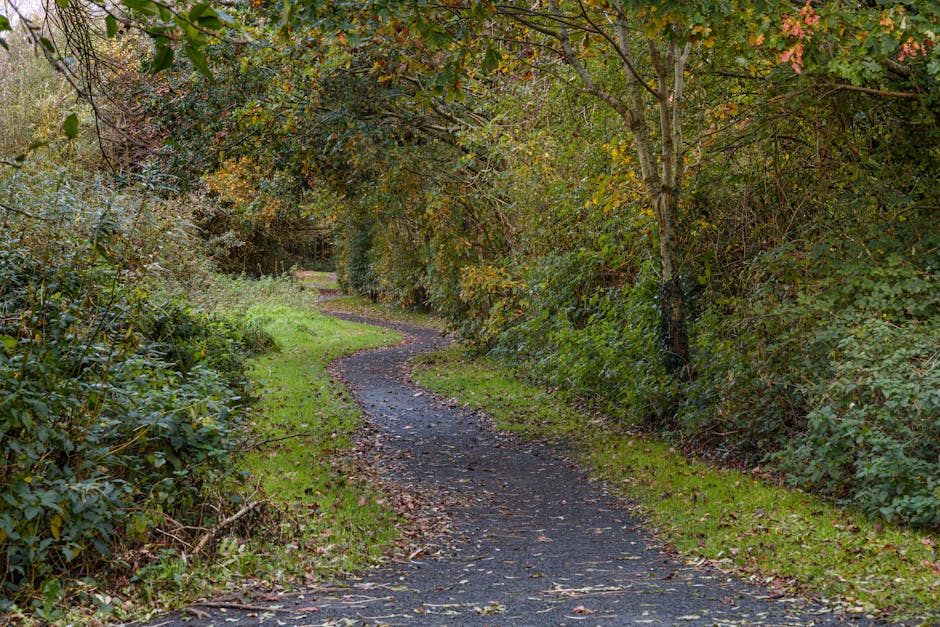
Hiking isn’t just about showing up with the right gear it’s also about sharing the space respectfully. Good trail etiquette ensures that everyone, from seasoned hikers to fellow first timers, can enjoy the outdoors without disruption. Here’s what to keep in mind:
Leave No Trace: More Than a Slogan
The Leave No Trace philosophy helps preserve the natural environment for everyone. Following its principles means taking full responsibility for your impact on the trail.
Pack out all your trash including food scraps and tissues
Stick to designated trails to prevent erosion
Don’t take souvenirs (like rocks, flowers, or shells)
Leave what you find so others can enjoy it too
Be Mindful of Other Hikers
Trails are shared spaces, and courtesy goes a long way. Basic hiking etiquette keeps traffic flowing smoothly and reduces unnecessary stress for everyone involved.
Yield to uphill hikers they’re working harder
Step aside for larger groups or faster paced hikers
Keep your volume down in quiet zones some hikers come for the solitude, not conversation
Avoid playing music out loud; use headphones if needed
Respect Wildlife (And Stay Safe)
You’ll likely encounter birds, bugs, and maybe even larger animals depending on where you hike. Observing wildlife can be a highlight as long as you do it respectfully.
Give animals space; never attempt to touch or feed them
Avoid startling them by keeping your distance and staying quiet
Store food securely to avoid attracting wildlife to your gear or campsites
If you see a wild animal on the trail, stay calm, back away slowly, and do not run
Practicing simple trail etiquette doesn’t just show respect it also builds trail community and helps protect the wilderness for generations to come.
How to Get Your Head in the Right Place
Start With Realistic Expectations
Your first hike doesn’t have to be epic it just has to be real. One of the most common missteps is setting goals that are more about aesthetic Instagram posts than achievable outdoor experience. Instead, start small and go in with a mindset that allows room for challenge, curiosity, and even a bit of struggle.
Choose a beginner friendly trail
Don’t expect perfect weather or views
Give yourself more time than you think you’ll need
Embrace the Mid Hike Reset
Something shifts once you’ve been walking for a while. The rhythm of your steps, the sounds around you, and the absence of constant digital distractions tend to quiet the mental noise. You might find yourself thinking more clearly or not thinking at all.
Movement anchors your focus
Nature helps disconnect from stress
Mental clarity often hits after the first 20 30 minutes on the trail
Learn to Enjoy Discomfort
Hiking isn’t always comfortable and that’s part of the point. Whether it’s feeling out of breath, getting a little muddy, or facing unexpected weather, embracing discomfort helps you grow.
Discomfort doesn’t mean you’re doing it wrong
Challenge adds value to the experience
Letting go of perfection makes the process more rewarding
Bottom line: A successful first hike isn’t about distance or difficulty it’s about showing up, adjusting as you go, and staying open to where the trail (and your mind) can take you.
Your First Hike Toolkit
If you’re heading out for your first hike, don’t overcomplicate it but don’t wing it either. Here’s a streamlined checklist of essentials that’ll keep you safe, comfortable, and focused on the experience (not the blisters).
Essentials Checklist:
Broken in hiking boots or trail shoes
Water (minimum 1 liter) + backup option like purification tablets
Snacks with actual calories nuts, energy bars, dried fruit
Lightweight daypack
Weather appropriate layers (avoid cotton)
Rain jacket (even if the sky looks friendly)
Basic first aid kit (bandages, antiseptic wipes, any meds you need)
Physical map or downloaded offline trail app (AllTrails, Gaia GPS)
Sunscreen and a hat
Bug spray
Small headlamp or flashlight
Want a printable version? Grab this hike ready gear checklist.
Beginner Friendly Trails:
Stick to marked, popular trails under 3 miles roundtrip. A few options worth checking out:
Runyon Canyon (Los Angeles, CA) Basic incline with good views
Great Falls Billy Goat Trail Section C (MD) Some rocks, mostly flat
Muir Woods National Monument (CA) Well maintained paths, shaded and stunning
Blue Hills Skyline Loop (MA) If you want a small challenge without getting lost
Start small. You can always level up later.
First Timer Wisdom:
Don’t fake it. A hiking Instagram doesn’t mean you’ve trained. There’s no shame in turning back early or taking frequent breaks.
Read through these first hike tips for blunt, honest advice on managing expectations, gear, and mindset. Spoiler: the hard part isn’t the terrain it’s learning to be okay with not looking like you know what you’re doing. That’s part of it.
This isn’t about conquering nature. It’s about showing up and learning to move through it thoughtfully.
Mistakes Most Beginners Make (and How to Dodge Them)
Here’s where a lot of first time hikers get tripped up not by the trail, but by their own planning (or lack of it).
First: changing plans too late. Maybe you spot a cooler looking trailhead on the drive in or decide to tack on an extra mile “just because.” Bad idea. Stick with the route you prepped for. Spur of the moment changes often lead you into longer, tougher terrain than you’re ready for and without enough water, layers, or daylight. Impulse and the outdoors don’t mix well. Save the winging it for road trips.
Second: not telling someone where you’re going. It’s easy to think, “It’s just a quick hike, no biggie.” But nature doesn’t care how quick you thought it would be. A twisted ankle, a wrong turn, even just a dead phone any of these can turn simple into serious fast. Always tell someone where you’re going, when you expect to be back, and which trail you’re planning to hit. Even better: text them when you finish.
And then there’s the classic: overestimating your stamina. The hike seems short on paper. But those elevation gains? The uneven ground? That sun you didn’t account for? They’re real. Pace yourself like you’re going slower than you think you need to. Bring way more water than feels “necessary.” And stop before you feel depleted, not after. Your body will thank you tomorrow.
Avoid these rookie moves, and your first hike will be a confidence builder not a cautionary tale.
Stick With It
The first hike is rarely graceful. Your legs complain, your pack feels heavier than it should, and you wonder whose idea this was. But here’s the truth: it gets easier. Not because the hills shrink, but because you get better. Stronger legs, smarter packing, and a mental shift that makes dirt paths and sore calves feel like a fair trade for a clear head.
The reward isn’t just physical the rhythm of hiking can turn into a kind of therapy. The more you go, the less you need convincing. Routine hikes sharpen your instincts. Weather, terrain, gear adjustments it all starts to click.
Turning this into a habit doesn’t mean cranking out epic treks every weekend. Commit to something real but manageable. One hike a month. An early morning trail instead of scrolling before work. Small, regular steps build into something solid.
Ready to keep going? For more smart guidance, bookmark these first hike tips.
 There is a specific skill involved in explaining something clearly — one that is completely separate from actually knowing the subject. Robertong Stanleyer has both. They has spent years working with trail prep and packing tips in a hands-on capacity, and an equal amount of time figuring out how to translate that experience into writing that people with different backgrounds can actually absorb and use.
Robertong tends to approach complex subjects — Trail Prep and Packing Tips, Hidden Gems, Outdoor Exploration Basics being good examples — by starting with what the reader already knows, then building outward from there rather than dropping them in the deep end. It sounds like a small thing. In practice it makes a significant difference in whether someone finishes the article or abandons it halfway through. They is also good at knowing when to stop — a surprisingly underrated skill. Some writers bury useful information under so many caveats and qualifications that the point disappears. Robertong knows where the point is and gets there without too many detours.
The practical effect of all this is that people who read Robertong's work tend to come away actually capable of doing something with it. Not just vaguely informed — actually capable. For a writer working in trail prep and packing tips, that is probably the best possible outcome, and it's the standard Robertong holds they's own work to.
There is a specific skill involved in explaining something clearly — one that is completely separate from actually knowing the subject. Robertong Stanleyer has both. They has spent years working with trail prep and packing tips in a hands-on capacity, and an equal amount of time figuring out how to translate that experience into writing that people with different backgrounds can actually absorb and use.
Robertong tends to approach complex subjects — Trail Prep and Packing Tips, Hidden Gems, Outdoor Exploration Basics being good examples — by starting with what the reader already knows, then building outward from there rather than dropping them in the deep end. It sounds like a small thing. In practice it makes a significant difference in whether someone finishes the article or abandons it halfway through. They is also good at knowing when to stop — a surprisingly underrated skill. Some writers bury useful information under so many caveats and qualifications that the point disappears. Robertong knows where the point is and gets there without too many detours.
The practical effect of all this is that people who read Robertong's work tend to come away actually capable of doing something with it. Not just vaguely informed — actually capable. For a writer working in trail prep and packing tips, that is probably the best possible outcome, and it's the standard Robertong holds they's own work to.