
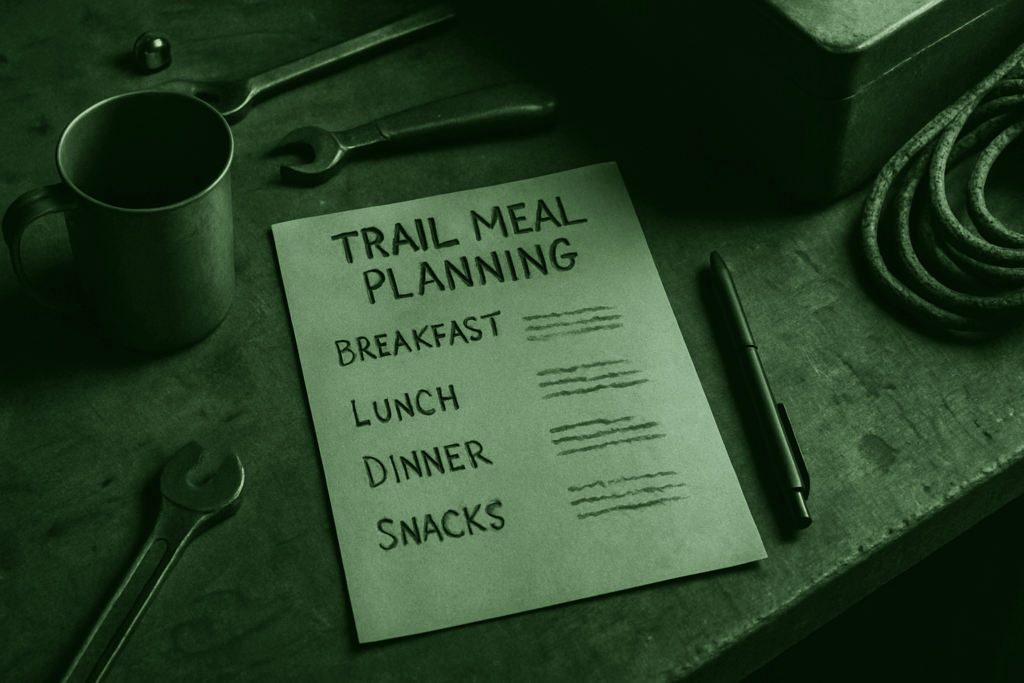
Know Your Caloric Needs Before You Pack
Hiking isn’t a walk in the park at least not how your metabolism sees it. Compared to regular daily movement, hiking puts a heavier load on the body: uneven terrain, elevation gain, a pack strapped to your shoulders, and hours of continuous movement. That all adds up. The average person burns roughly 400 to 700 calories per hour on a moderate hike. Go steeper, longer, or carry more weight, and you’re easily pushing 800+ calories per hour. Multiply that by a 6 hour day and you’re looking at a serious energy deficit if you’re not prepared.
Here’s the basic math: take your weight, factor in terrain and pace, then multiply by hours on the trail. A 160 pound hiker might need 3,000 to 3,500 calories for a full day. Go lighter on gear, but never on fuel. Underpacking food is a rookie mistake and one that turns even a short hike into a grind. Energy drops, morale tanks, and cognitive function slows. Trail hunger isn’t just uncomfortable. It’s a liability.
Plan your intake with intention. Fuel early, mix your macros, and bring more food than you think. It’s not about eating more it’s about staying capable.
Balance Carbs, Protein, and Fats
Hiking isn’t steady state cardio it’s bursty, rhythmic, and changes with terrain. Macronutrients need to keep up. Carbs give quick energy when you’re scrambling uphill. Protein helps muscles bounce back after long mileage. Fats keep you fueled on the slow, drawn out hauls. A smart trail diet uses all three at the right times.
Protein’s tough on the trail because a lot of high quality options spoil fast. Your best bets? Jerky (beef, bison, or turkey), foil packed tuna, shelf stable hard cheeses, and roasted chickpeas. Nut butters in single serve packs are compact and calorie dense. They’re also clutch because they bring paired fats.
Speaking of fats they’re your long burn. Think trail mix heavy on nuts and seeds, energy bars made with coconut oil, and olive oil packets you can drizzle straight into dehydrated meals. Fats digest slower, meaning more even energy when you’re six hours into a remote ridgeline.
Here’s how a sample trail day could look:
Breakfast: Oats with powdered whole milk, dried berries, chia seeds
Mid morning snack: Peanut butter packet + banana chips
Lunch: Whole wheat tortilla with tuna and hard cheese
Afternoon hit: Trail mix with almonds, pumpkin seeds, M&Ms, coconut flakes
Dinner: Dehydrated chili with added olive oil pouch
Post dinner: Protein bar or roasted broad beans
Make every bite count. It’s not just fuel it’s morale, recovery, and momentum.
(See more on multi day hike meals)
Optimize Weight Without Sacrificing Nutrition
When you’re carrying everything on your back, every ounce matters including what’s in your food bag. Smart meal planning means packing foods that are both calorie dense and nutritionally efficient without adding unnecessary weight.
Why Food Weight Matters
Unlike your everyday lunch, trail meals must balance nutrition with portability. Overpacking can weigh you down unnecessarily, while underpacking can leave you under fueled.
Food typically accounts for 20 30% of total pack weight on multi day hikes
Lightweight options allow you to carry more days of meals without strain
Poor food choices can result in fatigue, injury risk, and slowed progress
Dehydrated vs. Freeze Dried vs. Fresh
Each type of trail food has trade offs. Here’s how to pick what works for your hike:
Dehydrated foods: Lightweight and compact, but may need longer cook times and more fuel
Freeze dried foods: Longer shelf life, quick to rehydrate, often punchier in taste but more expensive
Fresh items: Great for short hikes or first day meals, but heavy and fast to spoil
Use a mix depending on trip length, climate, and cooking setup.
Gear to Reduce Bulk and Improve Preparation
The right tools can make your meals easier to manage without adding weight:
Collapsible bowls or mugs: Save space and double as storage
Mini stoves and ultralight cookware: Cut down cooking time and pack size
Vacuum sealers: Shrink bulk and keep ingredients fresher longer
Packable Superfoods to Consider
Some nutrient dense foods punch well above their weight, making them ideal trail additions:
Chia seeds: Tiny, lightweight, and packed with fiber and omega 3s
Powdered greens: Add to meals for a micronutrient boost without bulk
Nut butters: High in healthy fats and calories per gram
Dried seaweed: Lightweight, mineral rich, and satisfies salty cravings
It’s not just what you bring it’s what it does for your energy output per ounce. Choose foods that deliver more than just fullness: go for sustained performance, minimal waste, and maximum nutrition in every bite.
Don’t Skip Hydration and Electrolytes
Dehydration doesn’t just make you thirsty it wrecks your energy output and shuts down digestion. Blood thickens, circulation slows, and your gut stops breaking down food efficiently. You could have the best trail food on earth, but if you’re running dry, your body won’t use it. Cramps, nausea, laggy energy? Often not from lack of food just lack of water and minerals.
Don’t wait until you’re thirsty. Early signs of dehydration show up as brain fog, dry mouth, irritability, and even mild vertigo. By the time you’re actively craving water, you’re already behind.
To stay balanced, bring electrolytes. Not fancy ones just clean options with the right sodium and potassium mix. Look for powders or tablets that dissolve easily and don’t taste like candy. Brands like LMNT, Nuun, and DripDrop hold up well in a pack and don’t require refrigeration.
Feeling flat even after fueling? Might be your sodium or potassium. If your meals are all low salt and you’re sweating buckets, you’re burning through more than water. Add a little extra sea salt to your meals or bring potassium rich snacks like dried apricots or salted pumpkin seeds. Your legs and your gut will thank you.
Prep Real Meals, Not Just Snacks
Living off trail mix and jerky might keep you upright, but if you want stable energy and morale that doesn’t nosedive after mile eight, real meals matter. Hot, well balanced meals do more than feed your body they signal your brain that you’re not just surviving out here, you’re in control. That mental boost alone is worth the extra fuel weight.
Luckily, proper meals on trail don’t have to mean an hours long cook session. Stick with a few fast cooking staples like instant rice, couscous, or mashed potatoes. Add shelf stable proteins like tuna packets, hard salami, or freeze dried chicken. Spice packets take zero space and make a big difference.
For meal prep that lasts, think modular and repeatable. Build a base mix like rice, beans, and freeze dried veggies and vary the toppings each day. Label your bags by day, pre measure everything, and aim for one pot prep to keep cleanup sane.
You’re not aiming for gourmet, just warm, reliable fuel that tells your body: we’ve got this.
(Get the full system: multi day hike meals)
Bonus: Don’t Test New Foods on the Trail
Altitude does weird things to your gut. A trail meal that sits fine at sea level might hit differently at 5,000 feet sluggish digestion, unexpected bloating, or worse. Once you’re out there, you’re committed. That’s why testing meals at home matters more than people think.
In the week before your trip, eat your planned trail foods during active days. See how your body handles them after a hike, a long walk, or even just a busy afternoon. Pay attention to energy levels, digestion speed, and any discomfort.
And if you’re heading out for more than a couple days, keep a simple food log. Nothing fancy just jot down what you ate, when, and how you felt. It builds a quick reference guide for what fuels you best and what to avoid next time. Over time, your trail menu will get dialed in to exactly what your body needs to keep moving without surprises.
 Ask Josephine Raybandett how they got into horizon headlines and you'll probably get a longer answer than you expected. The short version: Josephine started doing it, got genuinely hooked, and at some point realized they had accumulated enough hard-won knowledge that it would be a waste not to share it. So they started writing.
What makes Josephine worth reading is that they skips the obvious stuff. Nobody needs another surface-level take on Horizon Headlines, Adventure Gear Essentials, Outdoor Exploration Basics. What readers actually want is the nuance — the part that only becomes clear after you've made a few mistakes and figured out why. That's the territory Josephine operates in. The writing is direct, occasionally blunt, and always built around what's actually true rather than what sounds good in an article. They has little patience for filler, which means they's pieces tend to be denser with real information than the average post on the same subject.
Josephine doesn't write to impress anyone. They writes because they has things to say that they genuinely thinks people should hear. That motivation — basic as it sounds — produces something noticeably different from content written for clicks or word count. Readers pick up on it. The comments on Josephine's work tend to reflect that.
Ask Josephine Raybandett how they got into horizon headlines and you'll probably get a longer answer than you expected. The short version: Josephine started doing it, got genuinely hooked, and at some point realized they had accumulated enough hard-won knowledge that it would be a waste not to share it. So they started writing.
What makes Josephine worth reading is that they skips the obvious stuff. Nobody needs another surface-level take on Horizon Headlines, Adventure Gear Essentials, Outdoor Exploration Basics. What readers actually want is the nuance — the part that only becomes clear after you've made a few mistakes and figured out why. That's the territory Josephine operates in. The writing is direct, occasionally blunt, and always built around what's actually true rather than what sounds good in an article. They has little patience for filler, which means they's pieces tend to be denser with real information than the average post on the same subject.
Josephine doesn't write to impress anyone. They writes because they has things to say that they genuinely thinks people should hear. That motivation — basic as it sounds — produces something noticeably different from content written for clicks or word count. Readers pick up on it. The comments on Josephine's work tend to reflect that.