
What’s Changing on the Ground
Climate change isn’t a future threat it’s already altering the daily reality within U.S. national parks. From shifts in weather patterns to dramatic impacts on ecosystems and visitor behavior, the effects are becoming more pronounced each year.
Heat Waves Reshape Ecosystems
Record breaking temperatures are no longer anomalies. Prolonged heat waves are:
Disrupting traditional growing seasons for native plants
Influencing the timing and patterns of wildlife migration
Pushing vulnerable species beyond their usual habitats
These changes are creating cascading effects altering food chains, accelerating drought conditions, and reducing biodiversity in some regions.
Extreme Weather Events on the Rise
The frequency and intensity of destructive weather are increasing, including:
Flash floods eroding fragile landscapes and forcing trail closures
Wildfires breaking out in areas previously considered low risk
Unpredictable weather cycles making it harder to plan visits or protect habitats
With infrastructure often lagging behind these changes, parks are facing a growing need for climate resilient planning.
Elevation and Latitude Redefining Visitor Behavior
In response to these climate shifts, visitor habits are changing too:
Higher elevations and cooler latitudes are drawing more tourists
Traditional peak seasons are becoming less reliable due to extreme heat
Parks in the northern U.S. and mountainous regions are experiencing extended high traffic periods
These evolving patterns have long term implications for park maintenance, staffing, and resource allocation. Understanding how geography buffers or exacerbates climate impact is becoming essential for future visitor management.
Key Parks Feeling the Heat
Climate change isn’t showing up quietly it’s crashing into some of the most beloved natural spaces in the U.S. with visible, sometimes irreversible, effects.
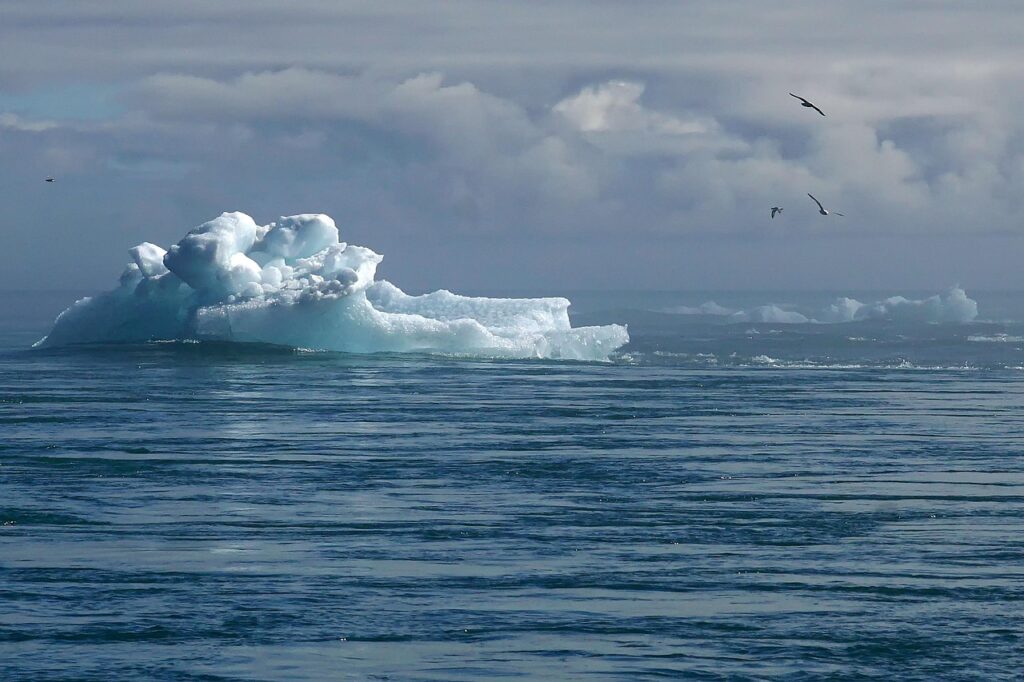
In Glacier National Park, the name itself is becoming a misnomer. The icefields that once defined the park are shrinking with every passing summer. Snowpack melts earlier, cutting into water supplies and reducing alpine habitat. What used to last well into July is now often gone by late spring.
Southern California’s Joshua Tree is another warning light. The desert’s hardy flora slow growing and deeply adapted is buckling under prolonged droughts and rising temperatures. Some species won’t regenerate at all once they die off. The threat isn’t distant it’s here.
Over in the Great Smoky Mountains, the problem isn’t what’s dying, but what’s thriving. Warmer temperatures have helped invasive species muscle their way in and spread fast. Kudzu, long the villain of the Southeast, has new company. These invasive plants and pests are crowding out native trees and compromising forest balance.
And in Alaska’s vast parklands, the permafrost once permanent is thawing. Trails warp, sink, or wash away entirely. Fragile boreal ecosystems face upheaval, and the pace of change is outstripping land managers’ ability to respond.
These places are still beautiful. But they’re also signals. The changes in these parks are not isolated they’re part of a pattern spreading across the map.
Read more about how climate change is impacting national parks
How Trails and Access Are Affected
Climate doesn’t wait for trail maintenance crews. In parks from the Sierra Nevadas to the Appalachians, erosion is carving up beloved hiking paths. Landslides triggered by heavy rain or rapid snowmelt are wiping out switchbacks and boardwalks, sometimes overnight. Hikers are showing up to trailheads only to find their routes fenced off or flat out gone.
Park infrastructure bridges, signage, drainage systems is struggling to keep up. Repair budgets haven’t scaled with storm damage, and some fixes get delayed for seasons at a time. Trail closures that used to be rare are becoming routine, especially in burn zones or steep terrain prone to washouts. It’s not just a matter of inconvenience. Frequent closures reshape crowd distribution, stress alternative routes, and impact tourism economies in gateway towns.
What used to be isolated weather events are now part of the new normal. And that means adaptability both from park services and visitors is no longer optional.
Ranger Response & Scientific Monitoring
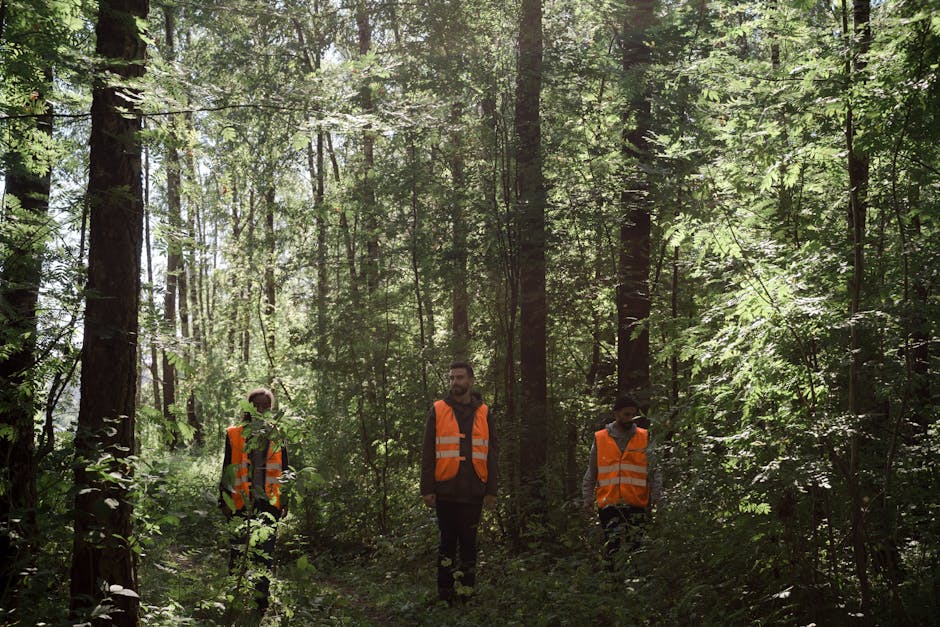
The climate is throwing punches, but the response is evolving fast. Park rangers and conservation teams are now using drones and satellite data to track changes in real time wildfires, flooding, soil loss all of it getting logged faster than ever before. What used to take weeks of field study can now be seen live from above. That means quicker decisions, tighter safety protocols, and more informed restoration planning.
Speaking of restoration, it’s not just reactive anymore. Teams are moving fast with native species replanting, erosion control systems, and planned fire breaks to help future proof vulnerable areas. These aren’t just short term bandages they’re long game strategies trying to work in step with natural systems.
On the ground, education is being woven in. Visitors aren’t just there to take photos they’re being asked to take part. From trail stewardship to invasive species pulls, more parks are opening space for hands on mitigation efforts. People walk away with calloused hands and a deeper understanding of what’s at stake.
In depth coverage on climate threats to parks and trails
Looking Toward Sustainable Park Use
U.S. national parks are shifting from passive preservation to active sustainability. Carbon neutral travel programs, once fringe pilot projects, are scaling up. Shuttles running on electric or biodiesel fleets are now common in larger parks, and partnerships with rail and bus lines are cutting down on car traffic. Some parks even offer carbon offset options at the point of ticket purchase no pressure, just an opt in designed for awareness.
Meanwhile, overtourism is forcing a hard rethink. Parks like Zion and Arches have rolled out smart ticketing systems that cap daily entrance especially in peak seasons and require timed entries. It’s not about exclusivity, it’s about protecting trails, wildlife, and the visitor experience. When a trail gets crowded, everything degrades: erosion, trash, even the quiet moments people hike miles to find.
Travelers play a role too. Stick to marked paths. Avoid single use plastic. Choose eco certified lodging nearby. Bring your own gear instead of buying cheap throwaways. None of it requires perfection just intention. In fragile zones, small decisions stack up fast. Sustainable travel isn’t a trend it’s the only way forward if we want to keep these places open and wild.
Final Word: Adapt or Lose Natural Treasures
Nature is not waiting around. From the tundras of Alaska to the deserts of the Southwest, the pace of change is startling and it’s calling bluff on traditional conservation playbooks. Protected lands were designed under assumptions that no longer hold: predictable seasons, gradual erosion, stable ecosystems. None of that applies anymore.
Parks need more than good intentions. They need adaptive policies, faster funding channels, and people in the field who understand that protection now means flexibility, not rigidity. Rangers are learning to think like emergency responders. Planners must factor in relocation, not just restoration. What worked ten years ago might actually be holding us back today.
The bottom line is clear: if we want national parks to endure, we can’t keep trying to freeze them in time. The challenge isn’t saving nature from change it’s helping it survive through it.
 Tavien Quenthos is the kind of writer who genuinely cannot publish something without checking it twice. Maybe three times. They came to cali wilderness expeditions through years of hands-on work rather than theory, which means the things they writes about — Cali Wilderness Expeditions, Horizon Headlines, Hidden Gems, among other areas — are things they has actually tested, questioned, and revised opinions on more than once.
That shows in the work. Tavien's pieces tend to go a level deeper than most. Not in a way that becomes unreadable, but in a way that makes you realize you'd been missing something important. They has a habit of finding the detail that everybody else glosses over and making it the center of the story — which sounds simple, but takes a rare combination of curiosity and patience to pull off consistently. The writing never feels rushed. It feels like someone who sat with the subject long enough to actually understand it.
Outside of specific topics, what Tavien cares about most is whether the reader walks away with something useful. Not impressed. Not entertained. Useful. That's a harder bar to clear than it sounds, and they clears it more often than not — which is why readers tend to remember Tavien's articles long after they've forgotten the headline.
Tavien Quenthos is the kind of writer who genuinely cannot publish something without checking it twice. Maybe three times. They came to cali wilderness expeditions through years of hands-on work rather than theory, which means the things they writes about — Cali Wilderness Expeditions, Horizon Headlines, Hidden Gems, among other areas — are things they has actually tested, questioned, and revised opinions on more than once.
That shows in the work. Tavien's pieces tend to go a level deeper than most. Not in a way that becomes unreadable, but in a way that makes you realize you'd been missing something important. They has a habit of finding the detail that everybody else glosses over and making it the center of the story — which sounds simple, but takes a rare combination of curiosity and patience to pull off consistently. The writing never feels rushed. It feels like someone who sat with the subject long enough to actually understand it.
Outside of specific topics, what Tavien cares about most is whether the reader walks away with something useful. Not impressed. Not entertained. Useful. That's a harder bar to clear than it sounds, and they clears it more often than not — which is why readers tend to remember Tavien's articles long after they've forgotten the headline.