

Know Your Terrain First
When it comes to hiking boots, trail type beats brand loyalty every time. A flashy logo means nothing if your soles give out halfway into a muddy switchback. The kind of terrain you hike should drive your entire boot buying decision from how stiff the sole is to how far the ankle support goes.
Let’s break it down:
Flat, Groomed Trails: Think park paths and nature preserves. You don’t need a tank on your feet here. Low cut shoes or flexible boots with light tread will give you enough grip without slowing you down. Prioritize comfort and breathability.
Rocky, Rugged Ascents: Mountain trails and uneven climbs ask more of your feet. You want stiffer soles for edge support, aggressive tread for traction, and mid to high ankle collars to prevent rolls. Go light and you’re inviting injury.
Wet, Muddy Routes: Swampy slogs or rainy day hikes demand waterproof materials and deeper lug soles that shed mud. Soft soled boots might keep you light, but you’ll be slipping more than walking.
Snow or Alpine Conditions: Now we’re talking insulation, full shanks, and serious grip. Crampon compatibility might be on the table. This is where boots become gear, not just footwear.
Get real about your actual trail conditions. Terrain affects how much flex you need in the sole, how deep your tread should go, and whether you need ankle armor or not. Forget the hype gear should match your ground.
Boot Categories That Actually Make Sense
Not all boots are built for the same mission. Here’s what you actually need, depending on where your feet are headed:
Lightweight Hiking Shoes
Best for flat, dry, well maintained trails. Think day hikes or weekend walks where comfort matters more than armor. These feel closer to running shoes but with better grip and slightly beefed up soles. If you’re not carrying much and don’t expect rough terrain, they’ll keep things light.
Mid Cut Boots
A step up in protection without locking down your ankles like a ski boot. Great for light backpacking trips or trickier day hikes with some elevation and loose terrain. They’re breathable, reasonably sturdy, and a reliable all rounder.
Heavy Duty Backpacking Boots
This is where things get serious. Designed for long routes, rough ground, and loaded packs. They lean heavy and stiff on purpose. You’ll get durability, thick soles, and ankle support that holds up mile after mile.
Mountaineering Boots
Built like tanks. Insulated, stiff soled, and crampon compatible. Made for snow, ice, and high altitude suffering. If your route includes glaciers or long alpine scrambles, this is what you want. Overkill for flat trails but mandatory for the vertical stuff.
Matching Boot Features to Terrain
Not all boots grip the same, and not all materials hold up equally. Here’s what actually matters when the ground under your feet starts talking back.
Tread Patterns: Grip vs. Slip
Tread is your first line of defense on unstable ground. Deep, aggressive lugs are built for muddy trails and loose rock they bite in and shed muck. Flatter tread with tighter patterns works better on dry, groomed paths, keeping you fast without the overkill. Snow or glacier routes? Look for sharp lugs and compatibility with microspikes or crampons.
Materials: Leather or Synthetic?
Full grain leather is tougher, more water resistant, and long lasting but it’s heavier and takes more break in. Synthetic uppers (nylon blends, mesh panels) dry faster, breathe better, and weigh less. They’re ideal for warm conditions or shorter hikes. In wet or rugged terrain, leather often wins. In hot, dry climates, go synthetic.
Waterproofing: Friend or Sweat Trap?
A waterproof membrane (like Gore Tex) sounds great until the sun’s beating down and your feet feel like microwaved sponges. On rainy, cold, or muddy trails, waterproofing keeps you steady and dry. But in summer heat or desert trails? Breathability trumps all. Some hikers buy two pairs and rotate by season and they’re not wrong.
Ankle Support: Who’s It Really For?
Ankle height boots don’t equal guaranteed support. What matters is the stiffness and lacing structure. If you’re carrying a heavy pack over uneven terrain or prone to rolling ankles, mid to high cuts help. But if you’re fast packing on clear trails with a light load, low cut shoes might be all you need. Support should match your stride, not your fears.
Pick your gear based on where you’re going and how you hike. The right combo is what keeps you upright when trails throw curveballs.
Break In and Fit Matter More Than Style
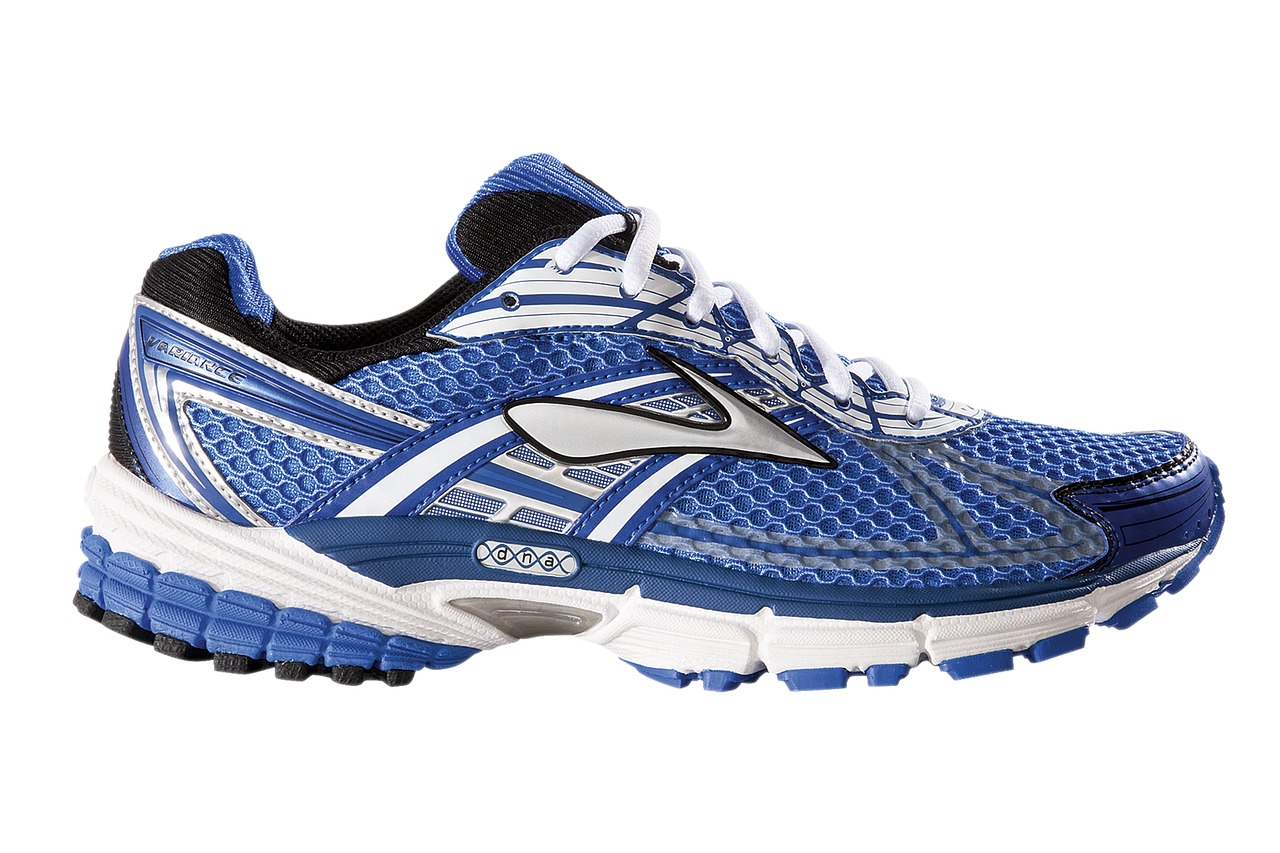
Getting the right hiking boots isn’t just about features or looks it all starts with fit and break in. Even the most advanced materials or aggressive tread won’t save your feet if the boots don’t feel right from day one.
How to Know a Boot Fits (Before You Hit the Trail)
A good fit is snug but not tight and leaves just enough room for toe movement without sliding around:
Try boots in the late afternoon when your feet tend to swell slightly
Wear hiking socks during the try on preferably the ones you’ll use on the trail
Check heel lift by walking on an incline in store; excessive lift can lead to blisters
Ensure toe clearance your toes should never touch the front, especially during descents
Double check width a boot that feels slightly narrow often doesn’t stretch enough with wear
Breaking Them In: Timelines by Boot Type
Breaking in your boots gradually helps you avoid soreness and injury. Each type has different requirements:
Light hiking shoes: Very little break in needed; a few short walks often suffices
Mid cut boots: Wear for 10 15 hours on mild terrain before committing to a longer hike
Backpacking boots: Require more time build up over 20 30 hours with increasing pack weight
Mountaineering boots: Demand heavy break in; use on similar terrain before a big trip
Pro Tip: Start with short urban or park walks, then move to light trails. Gradual terrain progression helps tune your stride and comfort level.
Signs Your Boots Aren’t Terrain Ready
Bad fit is one problem but the wrong boots for your route can wear down your stamina or worse:
Slipping or sliding on ascents or descents
Persistent hotspots or blisters after a short hike
Overheating or excessive sweating in warm climates
Feeling every rock or root through the midsole
Limited ankle stability on uneven trails
If your boots are making the trail harder instead of easier, it’s time to reassess.
Fit and comfort aren’t “extras” they’re essentials. Start slow, tune in to how your boots respond, and don’t rush the break in.
Pro Tips From the Field
Even the best boots need a little customization. Start with insoles. Most stock versions are generic they’re built to fit a shelf, not your foot. Swap them out for something that supports your arch type or cushions problem spots. Whether you need extra heel support or better shock absorption on rocky trails, the right insole can mean the difference between a great hike and a painful one.
Next up: lacing. If you’ve ever felt your toes jam against the front of your boots on a steep downhill, try the lace locking technique. Also called a heel lock or surgeon’s knot, it keeps your foot planted in the heel pocket, reducing forward slide and bruised toenails. Doesn’t take much time just a quick adjustment and works wonders.
Lastly, don’t ignore boot care. Knock off the mud. Dry them thoroughly never next to a direct heat source, which ruins the materials. Leather needs conditioning; synthetics need general cleaning and some air. Treat your boots well, and they’ll return the favor for years.
Go Deeper Before You Buy
Not all boots wear the same over time and not every hike asks the same of your gear. A boot that handles a casual dirt path might crumble under wet boulders or week long alpine climbs. That’s why performance and durability aren’t one size fits all. The type of terrain you tackle dry desert, forest mud, high altitude snow matters more than most people expect.
Before dropping cash, look at how different boots hold up in the real world. Ask: does this model drain well after river crossings? Do the soles show wear after rocky gravel? Will it keep shape after 30 miles of steep descent? Gear reviews are great, but actual use cases trail logs, seasoned hiker notes, field tests cut through the marketing noise fast.
Don’t gamble. Study the terrain, match it to proven picks, and make sure your boots have the track record. You’ll save your feet and your wallet.
Detailed guide to choosing hiking boots
Final Gear Check
Before heading out or hitting ‘buy now,’ run through this quick boot specific checklist. Hiking boots aren’t just about comfort they’re about performance, safety, and longevity. Here’s how to know if you’re making a smart choice:
Pre Purchase Checklist
Terrain match?
Make sure the boots are specifically designed for the type of terrain you’ll encounter most. Groomed trails need flexibility; rocky routes demand stiffness and grip.
Proper fit?
Boots should feel snug (not tight) with enough room in the toe box. Try them on with hiking socks and walk on an incline if possible to test heel slip and toe pressure.
Weight and pack plan aligned?
The heavier your pack, the more ankle support you’ll need. Match your boot weight and structure to the gear you’ll be carrying.
One Final Thought
If anything feels off even slightly it’s worth hitting pause. Ill fitting or mismatched boots will always cost more in blisters and setbacks than they will in dollars.
You can’t control the trail, but you can control your gear. Start with boots built for your route.
Choosing hiking boots the right way
 Tavien Quenthos is the kind of writer who genuinely cannot publish something without checking it twice. Maybe three times. They came to cali wilderness expeditions through years of hands-on work rather than theory, which means the things they writes about — Cali Wilderness Expeditions, Horizon Headlines, Hidden Gems, among other areas — are things they has actually tested, questioned, and revised opinions on more than once.
That shows in the work. Tavien's pieces tend to go a level deeper than most. Not in a way that becomes unreadable, but in a way that makes you realize you'd been missing something important. They has a habit of finding the detail that everybody else glosses over and making it the center of the story — which sounds simple, but takes a rare combination of curiosity and patience to pull off consistently. The writing never feels rushed. It feels like someone who sat with the subject long enough to actually understand it.
Outside of specific topics, what Tavien cares about most is whether the reader walks away with something useful. Not impressed. Not entertained. Useful. That's a harder bar to clear than it sounds, and they clears it more often than not — which is why readers tend to remember Tavien's articles long after they've forgotten the headline.
Tavien Quenthos is the kind of writer who genuinely cannot publish something without checking it twice. Maybe three times. They came to cali wilderness expeditions through years of hands-on work rather than theory, which means the things they writes about — Cali Wilderness Expeditions, Horizon Headlines, Hidden Gems, among other areas — are things they has actually tested, questioned, and revised opinions on more than once.
That shows in the work. Tavien's pieces tend to go a level deeper than most. Not in a way that becomes unreadable, but in a way that makes you realize you'd been missing something important. They has a habit of finding the detail that everybody else glosses over and making it the center of the story — which sounds simple, but takes a rare combination of curiosity and patience to pull off consistently. The writing never feels rushed. It feels like someone who sat with the subject long enough to actually understand it.
Outside of specific topics, what Tavien cares about most is whether the reader walks away with something useful. Not impressed. Not entertained. Useful. That's a harder bar to clear than it sounds, and they clears it more often than not — which is why readers tend to remember Tavien's articles long after they've forgotten the headline.